

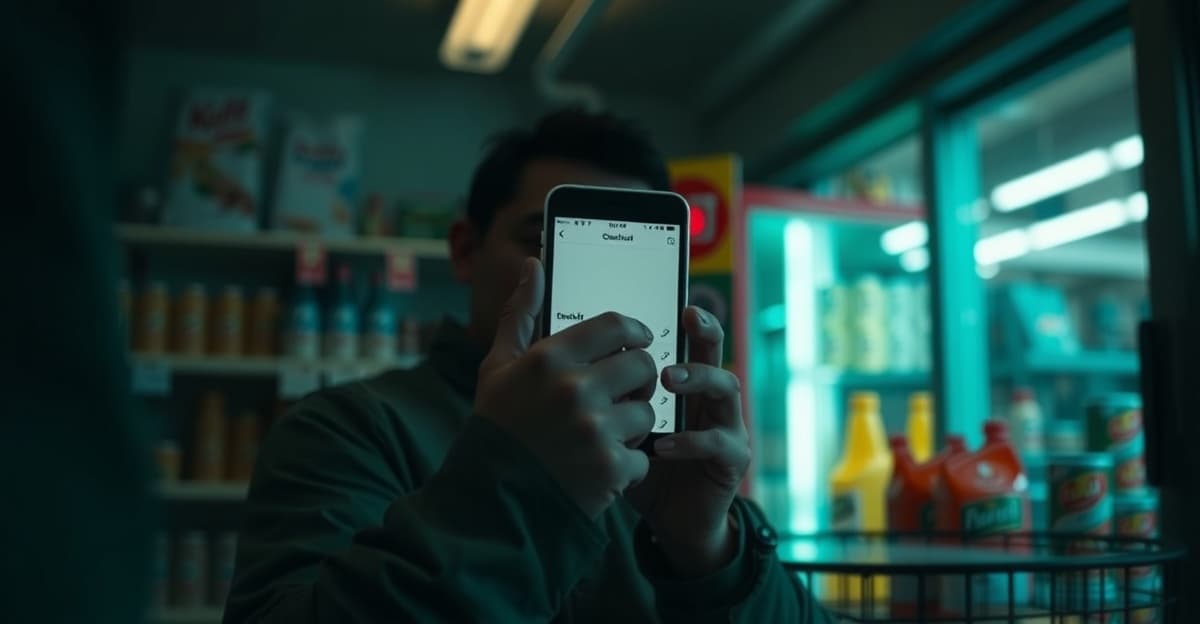
Reverse traditional roadmap logic: focus on executing critical mix at the right POSs, not visit quantity. Field-validated practical checklist.
It's Monday, 2 PM. The commercial manager calls: "Why is our competitor gaining shelf space in our key accounts?" You pull the visit report — 847 outlets covered this month, 94% route compliance. But when you check execution metrics, reality hits: only 23% of priority mix was executed to standard.
The problem isn't your team working less. It's working with the wrong logic.
Traditional routes were built to maximize outlet visits. The result? Field reps rushing between stores, executing half-finished actions, with no time to ensure critical mix is actually performing at point of sale.
The shift is simple but counterintuitive: fewer outlets per day, complete execution of what actually drives business. Companies adopting priority mix-oriented routes are 2.3x more likely to hit share of shelf targets, according to McKinsey Retail Excellence Report 2023.
This article shows how to structure routes that prioritize results over activity — with a 12-step checklist validated in the field.
The first change is accepting that not every outlet can support the same strategy. A-tier outlets represent 15% of stores but generate 45% of sell-out in most FMCG categories, according to Kantar Worldpanel Trade Study 2023.
A-Tier Outlets (high potential):
B-Tier Outlets (medium potential):
C-Tier Outlets (low potential):
Before defining routes, you need to know which outlet deserves which level of investment. A premium beverage manufacturer we worked with achieved 34% improvement in priority mix execution by stopping the application of identical routes to mall pharmacies and neighborhood groceries.
Classification criteria:
Every route action needs clear standards. "Improve display" isn't a criterion — it's opinion. What works:
Facing: Minimum 3 facings for priority SKUs in A-tier outlets, 2 facings in B-tier, 1 facing in C-tier Height: Between 1.40m-1.60m (eye level) for high-margin products Pricing: Maximum 5% variance vs. suggested retail price POP Materials: Only when product is available for sale
A national snack brand we tracked achieved 0.78 correlation between route execution quality and sell-out performance by standardizing these criteria.
1. Pre-visit validation Confirm outlet tier and specific priority mix before entering. Outlets change classification — a store that was B-tier may have become A-tier due to area growth.
2. Strategic check-in Identify the manager or category owner before touching anything. IRI Point of Sale Analytics research shows 67% of actions are undone by stores when there's no prior alignment.
3. Current situation audit Photograph the situation before starting execution. This visual evidence will be crucial for demonstrating visit impact and negotiating next actions.
4. Priority stock check Verify out-of-stock status for priority mix items and record replenishment forecast. No point investing 30 minutes organizing display for a product that will be out tomorrow.
5. Facing execution Ensure minimum facing for priority mix products. Use physical measurement tools — inadequate facing reduces sell-out by up to 15%.
6. Vertical positioning Position priority SKUs at eye level (1.40m-1.60m). Products at this height have 35% higher impulse purchase probability.
7. Price validation Check that practiced prices align with commercial strategy. Photograph price tags — incorrect pricing can nullify 100% of execution investment.
8. Strategic POP materials Install promotional materials only when product is available. POP without product creates consumer frustration and damages outlet relationship.
9. Additional action negotiation Propose extra actions only after executing 100% of priority mix. A personal care manufacturer reduced average time per outlet by 40% while maintaining 95% critical action execution by following this rule.
10. Store validation Show execution results to the responsible party and collect feedback. Execution transparency increases store collaboration by 40% for subsequent visits.
11. Final photographic record Capture post-execution situation of all worked points. This photo proves execution quality and serves for team coaching.
12. Immediate follow-up Register next actions and return date in system. A-tier outlets need bi-weekly visits to maintain 85% mix execution.
The most common error is maintaining "X outlets per day" targets without looking at execution quality. In projects we tracked, reps visiting 15 outlets/day with 30% execution delivered 22% less sell-out than colleagues visiting 8 outlets/day with 85% priority mix execution.
What changes: Define minimum 70% mix execution before moving to next outlet.
Executing actions without store alignment guarantees rework. The same IRI research shows 67% of actions are undone when there's no prior validation.
What changes: Always identify and align with responsible party before initiating any movement.
A C-tier outlet can't support A-tier mix. Result is store resistance and poor execution.
What changes: Customize mix by potential: A=premium+launches | B=core+promotions | C=top3 SKUs.
Investing in execution of out-of-stock products wastes 30% of visit effort. Initial stock check should define execution priorities.
What changes: Adapt route according to product availability, focusing only on items with guaranteed 15-day stock.
% Priority Mix Execution
Average Time per Outlet BCG Trade Marketing 2024 benchmark establishes: A-tier: 45-60min | B-tier: 25-35min | C-tier: 15-20min. Less time indicates superficial execution. More time suggests inefficiency.
Visit Quality Index (VQI)
The indicator that closes the loop is correlation between execution quality and sales performance. Minimum target: 0.65 correlation between visit VQI and outlet sell-out in following 30 days.
Mandatory follow-up 100% of visited outlets must have next action registered. Visits without follow-up equal wasted work.
The difference between routes that generate activity and routes that generate results lies in connecting each executed action to sell-out impact. When you orient visits by priority mix instead of geographic coverage, every hour invested in the field becomes measurable revenue.
Over the next 30 days, test this approach on a sample of your A-tier outlets. Compare sell-out performance with current standard. The difference will show in numbers — and in company results.
Want to structure a priority mix-oriented visit route in 30-90 days? Schedule a 15-minute demonstration and see how we transform trade marketing manuals into checklists that work in real field conditions.
We'll design together a pilot for a critical front of your operation. No commitment — in 15 minutes you leave with the best plan diagnosis.
Tell us about your operation and we'll build the roadmap together.
Talk to our team