
We can measure visits and campaigns to improve this site. Forms work even if you decline.

Structured framework that connects commercial planning to actual POS execution. With skill validation and metrics that prove impact on Trade Marketing KPIs.
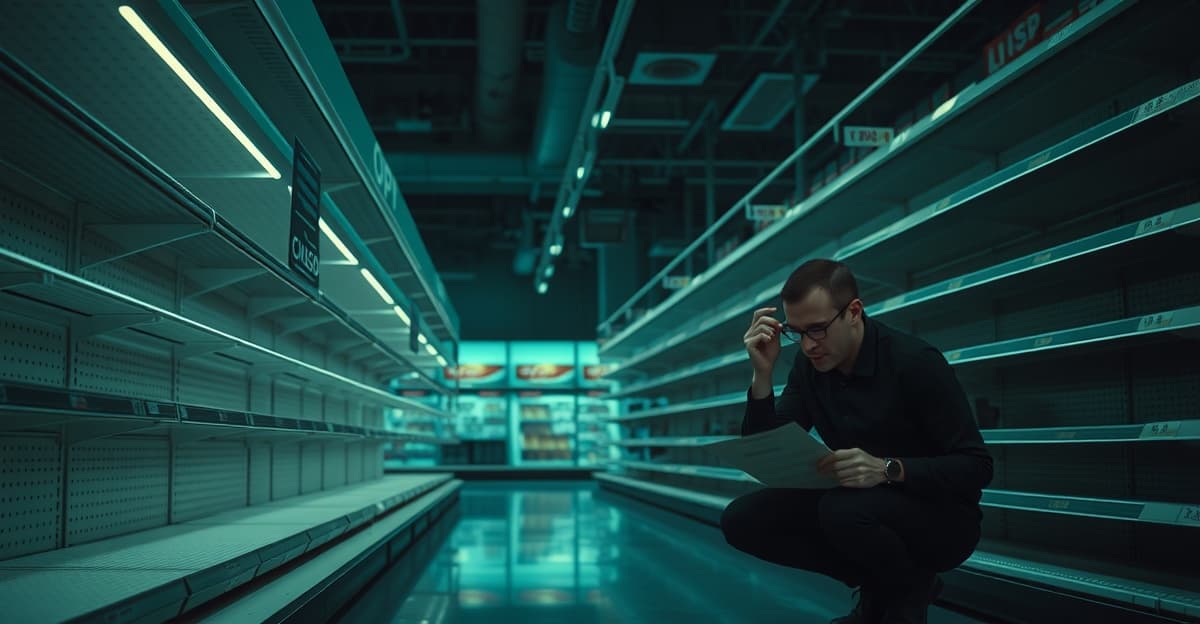
You defined the priority mix. Briefed the commercial team. Three weeks later, the sell-out report shows that most priority SKUs aren't in planned positions at the point of sale. The gap between commercial strategy and actual shelf execution costs significant losses per quarter. Not from lack of planning — but because the playbook that connects priority mix matrix to specific field rep actions simply doesn't exist in a structured way. The difference between campaigns that generate results and campaigns that disappear in the middle lies in the ability to translate commercial priorities into operational steps with clear pass/fail criteria. This article details a 12-step playbook that makes this connection work.
The playbook won't work without proper preparation. Field reps arriving at PDV without these basic elements will improvise — and improvisation destroys priority mix execution.
Your matrix must define at minimum 3 main SKUs and 2 complementary ones per category, with specific share of shelf priorities. Main SKUs need preference in category linear space occupation; complementary ones must have defined positions relative to main ones. Without this clear hierarchy, the field rep can't negotiate space with PDV based on objective criteria. "Important product" doesn't convince store managers — "SKU that represents highest category margin" does.
The field rep needs to know why those SKUs are prioritized now. Launch campaign? Inventory clearance? Seasonality? Market share target? Commercial context guides how to negotiate with PDV and what arguments to use. Generic briefing generates generic execution. "Push product X" doesn't work. "Product X is in national campaign with discount until day 30, and we want to leverage stimulated demand to gain participation in this region" works.
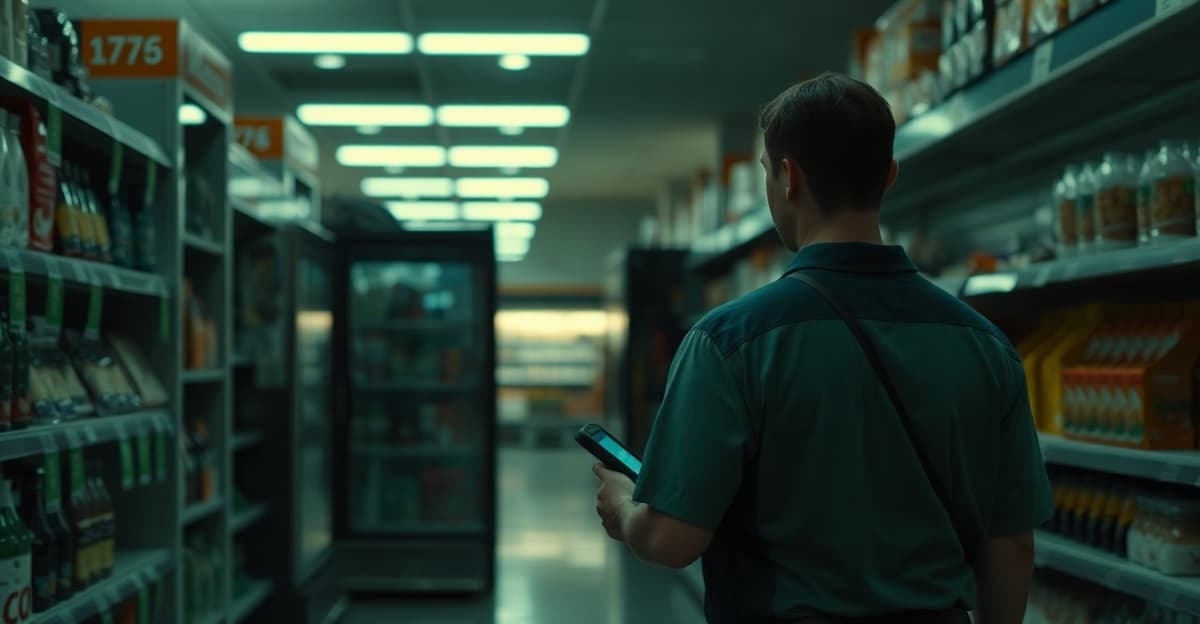
Each category has specificities that affect priority mix execution: Beverages: adequate temperature (hot products in broken coolers destroy strategy), visible expiration dates, eye-level position for main SKUs. Personal care: strategic proximity with competitors (avoid placing your entry SKU next to market leader), brand visibility, POP materials that don't clutter. Food: inventory turnover (stagnant product can't occupy priority SKU space), active promotions signaled, cross-sell with complementary products.
Camera with good resolution for standardized photographic record. Follow-up template to leave instructions for local team. Direct contact of PDV responsible for quick negotiations.
Curious how much sales readiness is worth to your team? Calculate it in 2 minutes.
Calculate the ROIPDV team doesn't understand criteria, doesn't agree with change, reverts everything at next replenishment. Resistance isn't ill will — it's lack of context. When you explain that new layout can increase category revenue, local team becomes ally in maintenance.
If your main SKU is present but occupying little linear space when it should have priority, execution failed. Share of shelf is objective metric. Presence is binary metric that masks real execution problems.
National matrix defines 3 main SKUs, but in regional PDV one has no demand and another faces strong local competitor.
Field rep executing matrix blindly is wasting real result opportunity. Priority mix is strategic guidance, not operational straitjacket. Intelligent adaptation to local reality multiplies effectiveness.
Without before/after photos with standardized criteria, there's no way to prove execution worked or identify what type of PDV responds better to priority mix.
Visual data is fundamental for strategy evolution.
Not by sabotage — by operational inertia. Replenishment follows previous pattern, manager doesn't remember briefing, competitor supplier adjusts positions. Follow-up isn't control — it's maintenance of strategy that provenly generates results.
Compliance per priority SKU should achieve high rate of main SKUs in planned position. Measurement via regular photographic audit with standardized criteria. Share of shelf per category needs to reach objectives defined in priority matrix for main and complementary SKUs. Linear measurement before/after each visit, with photographic record for objective comparison. Average execution time should be optimized to allow scale in large networks, maintaining negotiation and validation quality.
Sell-out per linear meter should show positive evolution in priority SKUs versus previous period. Data provided by PDV or distributor, with periodic comparison. Layout permanence needs to maintain most of priority mix between visits. Photographic comparison between visits shows if strategy is sustained or being eroded. Inventory availability should minimize priority SKU stockouts. Availability report per visit + follow-up with local team. Structured playbook makes all the difference in connecting commercial strategy to real execution. When each step has clear criteria and objective metrics, execution stops being personal interpretation and becomes replicable system that multiplies results.
The key is operational discipline: follow the 12 steps, measure constantly, adjust based on real data. PDVs that apply this checklist consistently create sustainable competitive advantage because they transform priority mix into concrete shelf advantage. --- Want to transform your Trade Marketing playbook into standardized training that reaches the field? Evous connects your priority mix to a training system that validates field rep aptitude and measures real impact on KPIs. Calculate ROI of standardization for your operation.

Co-founder and CEO of Evous. Writes about turning commercial knowledge into execution: sales readiness, ramp-up, and the Knowledge to Action method.
In 15 min we'll show how to prepare your sales team to act with the right knowledge and measure the impact in pipeline.