
We can measure visits and campaigns to improve this site. Forms work even if you decline.

Operational checklist: 10 critical points that cause shelf stockouts via indirect channels. From negotiation to POS execution with specific KPIs.
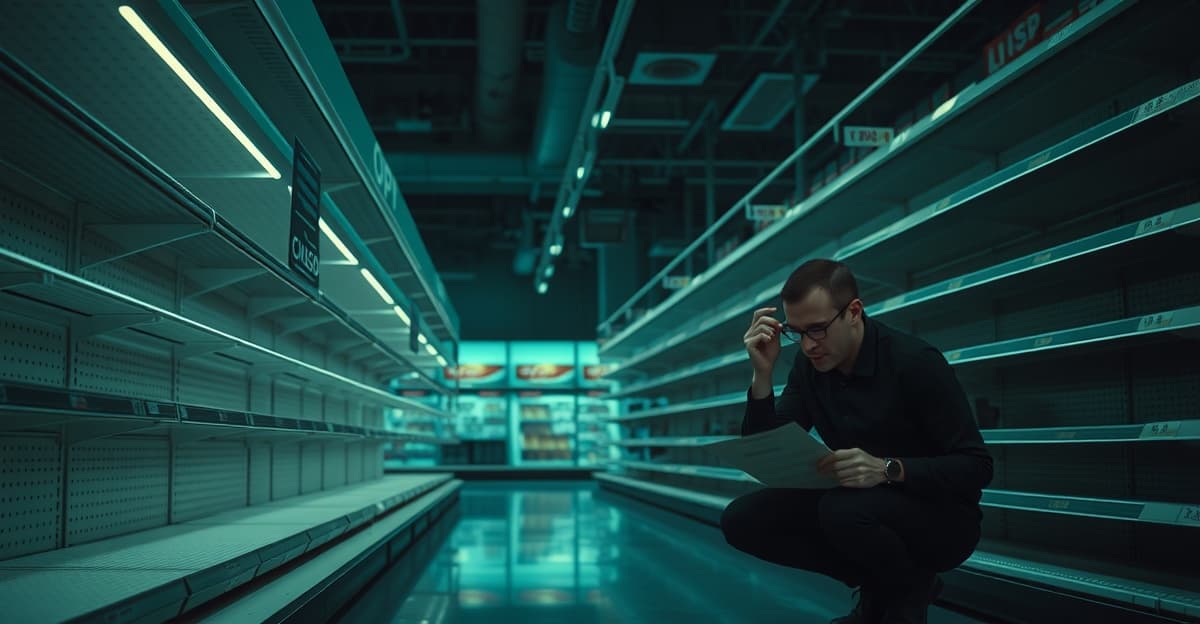
Monday, 3:30 PM. Your commercial director calls: "Why do we have significantly higher shelf-out in indirect channel compared to direct?" You know the product is in the distributor's stock. You know the planogram was negotiated. But between the boardroom agreement and the product on shelf, something systematically breaks. Shelf-out via indirect channel isn't just a bad number — it's money leaking through a chain you don't directly control. The problem isn't lack of product or negotiated space. It's that there's a series of operational bottlenecks between the distributor and POS that most companies don't even map. This article delivers the operational checklist of 10 critical points that cause indirect channel shelf-out, with specific KPIs to validate if execution is actually working.
Before applying any checklist, you need three mapped elements.
Without them, you'll identify symptoms, not structural causes. Access to sell-out data by POS: The distributor's consolidated number isn't enough. You need to see turnover by point of sale for the last 3 months. Masked shelf-out appears when the distributor reports "high coverage" but half the POS locations have had no movement for weeks. Complete chain mapping: Manufacturer → Distributor → Retailer → POS. Seems obvious, but most companies don't know how many links exist between the commercial agreement and the shelf. A distributor that resells to regional sub-distributors creates bottleneck points you can't see. Current contracts and SLAs: Agreed visit frequency, promised coverage, merchandising responsibilities. The shelf-out problem starts when what was negotiated can't be executed by the distributor's actual structure. If you don't have these three elements, stop here. Any checklist becomes theater.
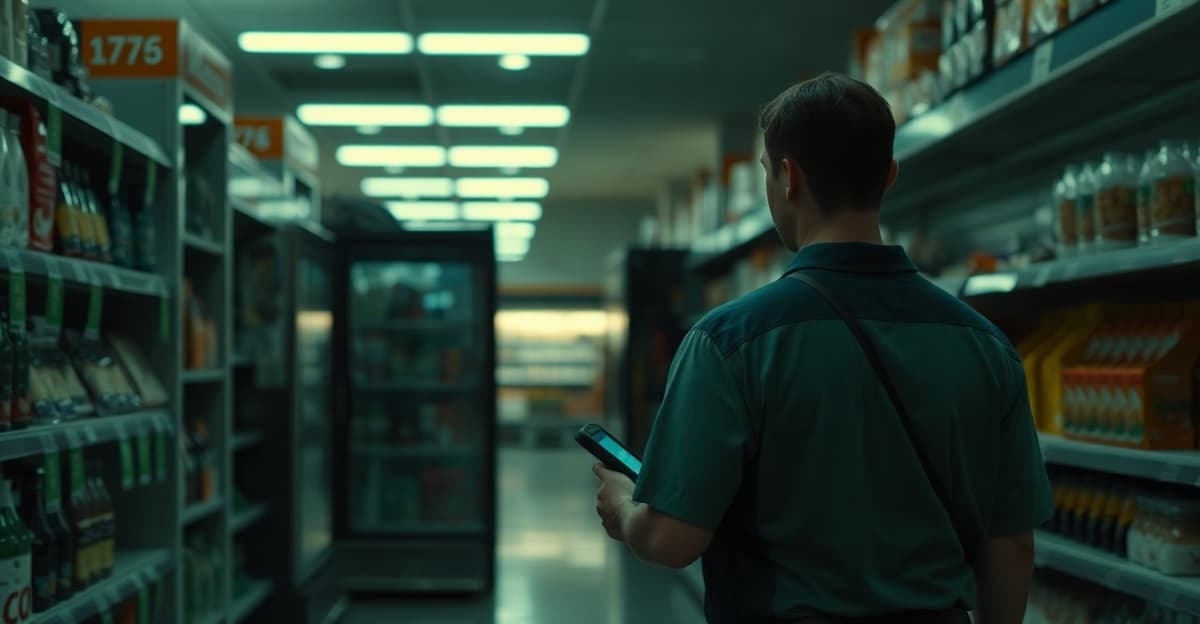
[ ] Technical Capacity Validation Confirm the distributor has trained staff to execute the negotiated planogram. When negotiating multiple facings, request training certificates and execution history from the last 6 months of the team that will visit POS. Specific checkpoint: Ask the distributor to demonstrate planogram execution at a pilot POS before signing. Incorrectly executed planograms in most cases come from technical incapacity, not ill will. [ ] Visit Frequency SLA Based on Turnover Establish minimum frequency based on actual product rotation. High-turnover products need frequent visits. Validate that the distributor can comply with current staff. Specific checkpoint: Cross-reference promised frequency with declared number of promoters and actual route. If a promoter has many POS locations on route and promises daily visits, the math doesn't add up. [ ] Conflict of Interest Mapping Identify if the third-party promoter serves competing brands at the same POS. Define cross-audit process to avoid favoritism. Specific checkpoint: List all brands each promoter represents and create georeferenced photo protocol to validate impartiality in execution.
[ ] Stock vs. POS Checkpoint Implement weekly validation crossing available stock at distributor versus products on shelf. Shelf-out with product in stock is a visit frequency failure, not a supply problem. Specific checkpoint: Dashboard that crosses sell-out by POS with distributor stock in real time. Significant difference between available product and product on shelf indicates broken SLA. [ ] Specific Replenishment SLA Define maximum time between shelf-out detection and POS replenishment, with contractual penalty for systematic non-compliance. Specific checkpoint: Automatic notification when POS sell-out drops to zero for relevant period with product available at distributor. Progressive penalty: first occurrence = warning, third = contract review. [ ] Actual Delivery Validation Require photographic proof of product on shelf within specific timeframe after delivery reported by distributor. Specific checkpoint: Georeferenced photo with timestamp. Don't accept photo of product "arriving at POS" — must be displayed on shelf according to planogram.
[ ] Planogram Audit Verify monthly if executed share of shelf corresponds to negotiated and identify causes of significant deviation. Specific checkpoint: Mystery shopper or regular surprise audit at POS locations. Share of shelf substantially lower than agreed indicates structural execution problem, not isolated. [ ] Visual Briefing Governance Establish formal process for passing pricing and promotional information: factory → distributor → field team with receipt confirmation. Specific checkpoint: 3-level protocol with confirmation: (1) Distributor confirms briefing receipt quickly, (2) Distributor confirms handoff to team, (3) Team confirms execution with photo. [ ] Field Team Aptitude Validation Conduct quarterly evaluation of third-party team through mystery shopper or surprise audit. Specific checkpoint: Practical test: can team execute most visual briefing items without consultation? If not, require retraining before next campaign.
[ ] Real-Time Monitoring Dashboard Implement system that crosses sell-out data with visit frequency and allows quick identification of masked shelf-out. Specific checkpoint: Automatic alert when POS registers no movement for relevant period during business hours with product theoretically available at distributor.
Curious how much sales readiness is worth to your team? Calculate it in 2 minutes.
Calculate the ROIError 1: Assuming distributor knows how to execute without prior validation Impact: Like situations where distributors negotiate multiple faces in planogram but only achieve a fraction at POS because they didn't validate technical capacity of merchandising team. How to avoid: Require practical demonstration of execution before signing contract and maintain regular audit. The distributor that can't show how they'll do it shouldn't be in the negotiation. Error 2: Not validating actual aptitude of third-party teams Impact: Share of shelf significantly lower than agreed due to technical incapacity, like cases where pricing information gets lost between distributor and field team. How to avoid: Implement your own certification process and quarterly re-evaluation of teams. Your brand can't depend on the "good will" of a promoter you've never seen. Error 3: Absence of governance in critical information handoff Impact: Situations where planograms are executed correctly in only a portion of POS locations because there's no governance in visual briefing handoff. How to avoid: Create formal communication protocol with receipt confirmation at each link. WhatsApp isn't governance. Error 4: Generic SLA without POS specificity Impact: Like systematic Friday shelf-outs because replenishment SLA doesn't consider actual visit frequency of third-party promoter, or longer average time to detect shelf-out via indirect channel compared to direct channel. How to avoid: Define specific SLAs by product category and implement automated monitoring. "Weekly visit" doesn't work for products that turn daily. Error 5: Not measuring actual execution at the point Impact: Situations like product available in distributor stock but shelf-out at POS for consecutive days, or distributors that report high coverage but can't prove correct execution at most points. How to avoid: Require photographic proof and implement independent monthly audit. The distributor's report is the beginning of measurement, not the end.
% Shelf-Out by Channel Target: Balanced shelf-out between indirect and direct channel. How to measure: Cross sell-out data with available stock at distributor. Equal shelf-out between channels indicates the problem isn't structural in indirect channel. Average Replenishment Time Target: Fast replenishment between detection and product on shelf. How to measure: Automated dashboard crossing sell-out with visit frequency. Excessive time indicates systematic execution failure. Adherence to Agreed Planogram Target: Consistent execution of negotiated share of shelf. How to measure: In-person audit or through georeferenced photos. Significant difference indicates the agreement isn't being executed at the point.
Correct Execution Rate by Promoter Target: High adherence to merchandising briefings. How to measure: Mystery shopper or independent surprise audit. Identify if the problem is isolated (specific promoter) or structural (process). Distributor-Field Communication Efficiency Target: Critical information reaches team quickly. How to measure: Information handoff test with receipt confirmation. Information that takes time to reach the point compromises any campaign. The difference between having product in distributor stock and having product selling on shelf lies in these 10 points. Each unresolved bottleneck is money leaking every month. At Evous, we structure training that connects knowledge to actual POS execution. When the distributor has clear process and capable team, shelf-out stops being an unpleasant surprise every Monday. Want to map the specific bottlenecks in your indirect channel and create a monitoring system that works? Schedule 15 minutes — we'll analyze your operation and indicate the best path to eliminate indirect channel shelf-out.

Co-founder and CEO of Evous. Writes about turning commercial knowledge into execution: sales readiness, ramp-up, and the Knowledge to Action method.
In 15 min we'll show how to prepare your sales team to act with the right knowledge and measure the impact in pipeline.